
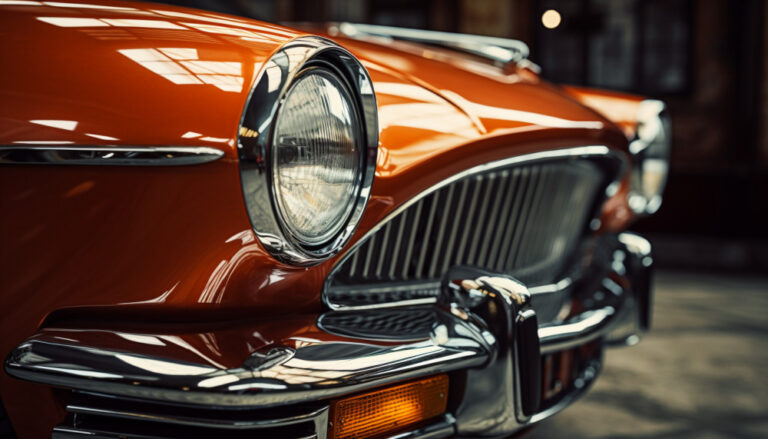
For enthusiasts who live for the thrill of the open road, the appeal of a classic machine is undeniable. Whether it is the roar of a vintage motorcycle engine or the rugged, timeless design of an old-school SUV, there is a profound connection between the rider or driver and the vehicle.
In a world increasingly dominated by digital interfaces and autonomous driving features, the mechanical purity of classic vehicles offers a refreshing return to the roots of motoring.
This passion is not just about getting from point A to point B; it is about the journey, the style, and the heritage that these machines represent.
When we think of classic motoring, motorcycles often come to mind first. The image of a rider clad in leather, wearing a badass skull helmet, and cruising down the highway is an iconic symbol of freedom and rebellion.
Helmets are, of course, essential for safety, but they also serve as a canvas for personal expression.
A well-chosen helmet complements the aesthetic of a classic bike, completing the look while providing crucial protection.
Beyond helmets, the entire ensemble – from vintage goggles to broken-in leather jackets and reinforced riding boots – tells a story about the rider’s identity and their appreciation for tradition.
Every piece of gear carries meaning, often handed down through generations or carefully collected over decades of riding. But the love for vintage machinery extends far beyond two wheels.
Many motorcycle enthusiasts also harbor a deep appreciation for classic four-wheeled vehicles, particularly rugged, go-anywhere SUVs that share a similar spirit of adventure and durability.
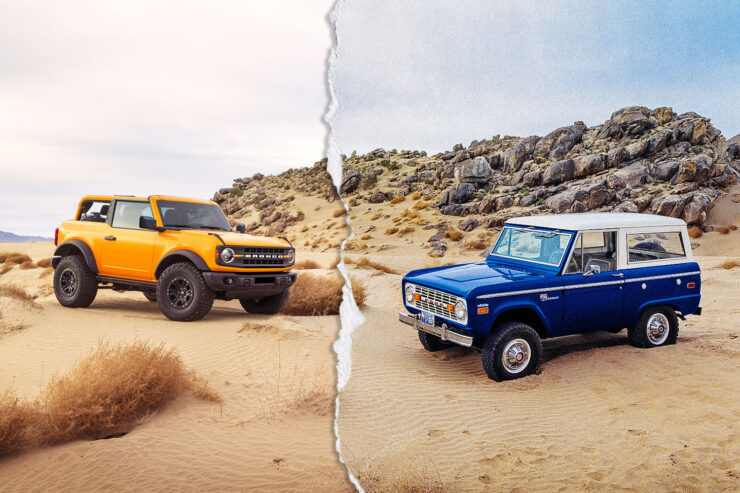
The resurgence of interest in vintage SUVs is a testament to their enduring design and capability. Vehicles like the early Ford Bronco, the original Land Rover Defender, and the classic Toyota FJ40 have seen a massive spike in popularity.
These vehicles were built for utility and off-road prowess, featuring simple, robust mechanics that could be repaired with basic tools.
Today, they are prized not just for their historical significance but also for their distinctive, boxy aesthetics that stand in stark contrast to the aerodynamic curves of modern crossovers.
They evoke a sense of nostalgia for an era when vehicles were purpose-built and unapologetically rugged.
The market for these classics has grown so significantly that auction houses now dedicate entire events to them, with pristine examples fetching prices that rival brand-new luxury vehicles.
Collectors understand that they are not just buying transportation – they are investing in a piece of automotive culture that cannot be replicated by any factory today.
Among the pantheon of legendary off-roaders, the Mercedes-Benz G-Wagon holds a special place. Originally developed as a military vehicle, the G-Wagon quickly gained a reputation for its indestructible nature and formidable off-road capabilities.
While modern iterations of the G-Class are often associated with luxury and urban cruising, the early models – specifically the W460 and W461 series – are true utilitarian workhorses.
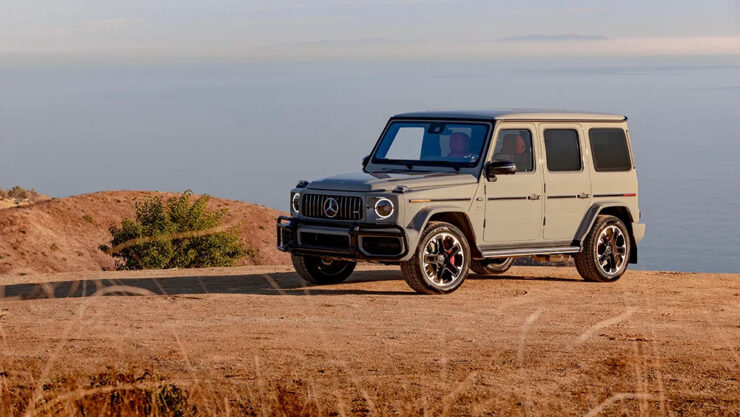
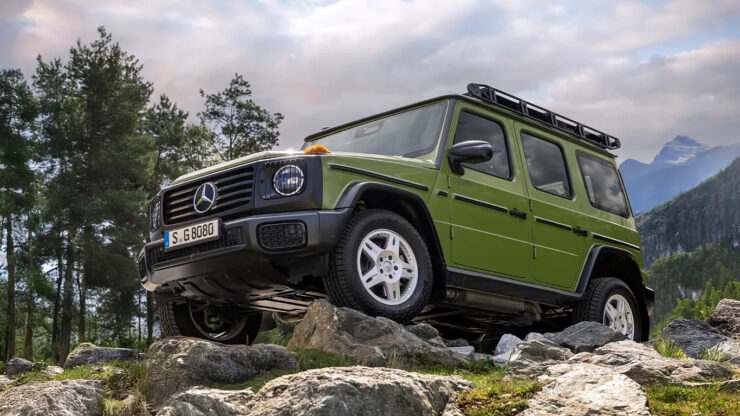
Built with body-on-frame construction, three locking differentials, and portal axles in certain variants, these machines were engineered to conquer terrain that would stop most modern SUVs in their tracks.
For those seeking the ultimate expression of this classic design, specialized restorers like Expedition Motor Company offer meticulously rebuilt vintage G-Wagons that combine original charm with modern reliability.
These restored vehicles capture the essence of the original military design while ensuring they are ready for contemporary adventures, featuring upgraded drivetrains, refreshed interiors, and carefully sourced period-correct details.
The appeal of these classic SUVs lies in their mechanical honesty. Unlike modern vehicles, which are essentially computers on wheels, a vintage SUV offers a tactile driving experience.
You feel the road, you hear the engine, and you are actively engaged in the process of driving.
There are no lane-keeping assists second-guessing your steering inputs, no infotainment screens demanding your attention, and no software updates threatening to change how your vehicle behaves overnight.
This is the same appeal that draws people to classic motorcycles. There is a raw, unfiltered connection between the operator and the machine.
It requires skill, attention, and a certain level of mechanical sympathy. For many, this engagement is the very definition of driving pleasure.
Furthermore, owning a classic vehicle – be it a motorcycle or an SUV – is a way of preserving automotive history. Each scratch, dent, and patina tells a story of past adventures.
Restoring and maintaining these vehicles is a labor of love, a commitment to keeping the heritage alive for future generations. It is a community-driven passion, where knowledge, parts, and stories are shared among enthusiasts.
Weekend meetups, annual rallies, and online forums bring together people from all walks of life, united by their devotion to machines that refuse to fade into obscurity.
This sense of belonging often transcends borders and language barriers, with events like the Overland Expo and European G-Wagon gatherings drawing participants from every corner of the globe.
Younger generations are also joining the movement, proving that the appeal of these machines is not limited to those who remember them from their heyday.
Social media platforms have amplified this trend, allowing enthusiasts to document restorations, share cross-country journeys, and inspire newcomers to take their first steps into the hobby.
Whether you are swapping tips on helmet safety or discussing the best way to rebuild a vintage carburetor, the camaraderie is a significant part of the experience.
In conclusion, the fascination with classic vehicles is a celebration of mechanical simplicity, timeless design, and the spirit of adventure.
Whether you prefer the two-wheeled thrill of a vintage motorcycle or the rugged capability of a classic SUV like the Ford Bronco, Land Rover Defender, or a restored G-Wagon, the underlying passion is the same.
It is about embracing the journey, honoring the heritage, and enjoying the pure, unadulterated joy of motoring. So, strap on your helmet, grip the steering wheel, and hit the road – the classic way.